

Why Does My Bathroom Smell Like Sewer? Causes and How to Fix Them
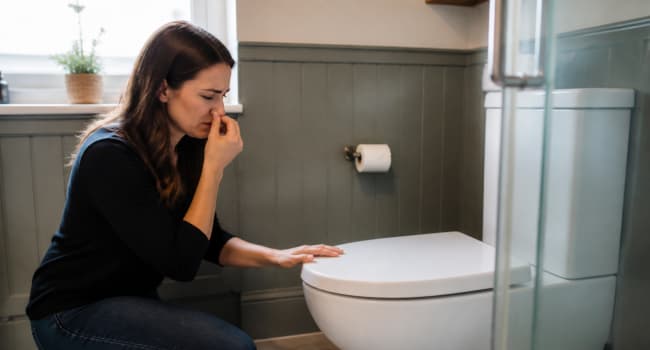
You walk into the bathroom and there it is: that flat, rotten, drain-like smell. Some days it’s faint. Other days it hits you at the door. If you’re asking yourself why does my bathroom smell like sewer, you’re not alone, and it’s an unsettling thing to live with.
The odd part is that the room often looks spotless. You’ve cleaned the toilet, wiped the basin, and the smell is still there. The cause can be anything from a thirty-second fix to a hidden fault in a pipe behind a wall.
This post goes through the likely causes in order, shows you how to work out which one applies, and covers the simple fixes you can do yourself. It also explains how to tell when the smell is serious, including the gas safety check you should never skip, and when it’s time to call someone in.
TL;DR
- The most common cause is a dry or failed water trap (U-bend), which normally holds a water seal that blocks drain gases.
- Running water for about 30 seconds down every unused sink, bath, shower and floor waste refills dried traps.
- A smell with slow draining usually means a partial blockage of hair, soap scum and grease in the waste or trap.
- A smell with gurgling drains points to a blocked or failed vent or air admittance valve siphoning the traps.
- A smell around the base of the toilet suggests a failed pan connector or seal.
- If the smell is near a gas appliance, or you can’t tell it from gas, leave the property and call the National Gas Emergency number 0800 111 999.
Table of Contents
- Why Does My Bathroom Smell Like Sewer?
- Is a Dry Water Trap Making My Bathroom Smell Like Sewer?
- Why Does My Bathroom Sink or Drain Smell Like Sewer?
- Why Does My Shower or Bath Smell Like Sewer?
- Why Does My Toilet Smell Like Sewer?
- Why Does My Bathroom Smell Like Sewer Sometimes or Suddenly?
- Can a Blocked Vent Pipe or Air Admittance Valve Cause a Sewer Smell?
- Why Does My New Bathroom Smell Like Sewer?
- Why Does My Bathroom Smell Like Sewer but There Is No Leak?
- Does Water Smelling Like Sewer Mean the Drain or the Supply?
- Is Sewer Gas in a Bathroom Dangerous?
- How to Stop a Bathroom Smelling Like Sewer for Good
- Frequently Asked Questions
Why Does My Bathroom Smell Like Sewer?
A bathroom usually smells like sewer because drain gas is escaping through a dry, siphoned, damaged or missing water trap, or through a failed seal, vent or pipe joint. Every sink, bath, shower and toilet has a trap, and when that water seal is broken, gas from the drains can rise into the room.
A trap is the U-shaped bend in the waste pipe. It stays full of water, usually 50–75mm deep, and that water plugs the pipe so gas can’t pass. Your bathroom is part of the wider household drainage system, so any dry or damaged seal gives drain gas a way into the room. Here are the causes, from most to least likely:
- A dry trap in a basin, bath, shower or floor waste that hasn’t been used for a while.
- A partial blockage of hair, soap scum and grease rotting in the waste or trap.
- A siphoned trap caused by a blocked soil vent pipe or a failed air admittance valve (AAV).
- A failed or loose toilet pan connector or seal.
- A dry or dirty shower trap or floor waste.
- A cracked or leaking waste pipe, often hidden in a wall or floor.
- A fault in a newly fitted bathroom, such as a missing trap or unsealed connection.
- A defect in the drain or sewer outside the property.
Is a Dry Water Trap Making My Bathroom Smell Like Sewer?
Yes. A dry water trap is the most common cause of a sewer smell in a bathroom. If a basin, bath, shower or floor drain hasn’t been used for a while, the water seal can evaporate and let gas up the pipe. Run the tap for about 30 seconds to refill the trap, and the smell often disappears straight away.
Traps dry out faster in warm rooms, so a heated bathroom nobody uses is a classic problem. Here’s where to look:
- Spare room and guest en-suite basins, baths and showers.
- Any bathroom after a holiday or a long absence.
- Floor wastes and wet-room drains that rarely get water.
- Shower rooms in a second home or holiday let.
- A rarely flushed toilet, where the pan water can slowly drop.
- The overflow and waste on a basin you never use.
Pour a jug of water down every drain in the house, including the ones you forget about. A dry trap is why a spotless bathroom can still smell like sewer: the room is clean, but the seal is empty. It’s also why a bathroom can smell on some days and not others.
Pro Tip: For a drain that rarely gets used, add a thin layer of cooking oil on top of the trap water after you refill it. The oil floats on the surface and slows evaporation, so the seal lasts longer.
Why Does My Bathroom Sink or Drain Smell Like Sewer?
A bathroom sink or drain smells like sewer when hair, soap scum and grease build up in the waste or trap and rot, or when the trap seal is dry or loose. Slow draining plus a smell is the clue that the pipe is partly blocked.
The overflow channel is a hidden source on most basins. It’s the slot near the top of the bowl, and it collects slime you can’t see. Pop-up wastes also trap hair around the stem, and a build-up there often means you’ll need to unblock the sink properly before the smell goes.
Flush the waste with hot tap water, not boiling water, because boiling water can soften and warp plastic pipes and seals. Avoid chemical drain cleaners as a first move. They’re hazardous to handle, and they don’t remove the hair that’s causing the smell.
Clear hair and grime from a smelly bathroom basin waste in five steps.
Remove the plug and pull out debris
Take out the plug or pop-up and pull out hair and debris with gloves on. Most of the smell comes from this layer of rotting hair and soap.
Empty the trap
Place a bucket under the trap. If the trap unscrews by hand, remove it and empty it. Note how the washer sits so you can seat it correctly when you refit.
Clean the overflow slot
Wipe out the overflow slot at the top of the basin with a bottle brush and warm soapy water. This channel hides slime that causes persistent smells.
Refit the trap
Refit the trap and make sure the washer sits flat and the joint is snug. Hand-tight is enough on most plastic traps.
Refill and check for leaks
Run the tap for 30 seconds to refill the trap with water. Check every joint for drips and dry them with a cloth to be sure.
Pro Tip: Run hot tap water down each basin waste for about a minute once a month. It slows the biofilm build-up that causes most waste smells.
Why Does My Shower or Bath Smell Like Sewer?
A shower or bath smells like sewer when hair and soap scum rot in the waste, when a shower trap or floor drain has dried out, or when a loose waste or a gap in the silicone lets the smell escape into the room.
Shower tray and floor wastes
Many shower trays have a removable cover over the waste. Lift it out, pull away the hair and sludge underneath, and rinse the trap with warm water. Shower rooms and wet-room floor drains that aren’t used often dry out quickly, so run the shower for about 30 seconds if the smell appears after a quiet spell.
Bath waste
Bath wastes clog with hair and body oils, and the bath trap often sits out of sight behind a panel. Our guide on unclogging a bath drain covers the cleaning methods. If the plughole is clean and the smell stays, the problem is probably further down the pipe.
Why Does My Toilet Smell Like Sewer?
A toilet usually smells like sewer because the pan connector or seal at the back of the pan has failed or come loose, or because the pan trap is dry from not being used. A smell that is strongest at the base or behind the pan points to the connector.
Look for these signs:
- A smell that is worst at floor level, around the base or behind the pan.
- Damp patches, staining or a soft floor around the pan.
- A pan that rocks slightly when you sit on it or press the side.
- A hairline crack in the ceramic that weeps water.
- Damp or staining on the wall behind the cistern or pan, which can mean a slow leak.
- A toilet that hasn’t been flushed for weeks, so the pan water has dropped.
If you have a concealed toilet cistern, a slow leak can go unnoticed behind the panel for a long time. A loose or worn pan connector isn’t a quick DIY fix. It’s a job for a plumber, because replacing it properly usually means lifting the pan.
Why Does My Bathroom Smell Like Sewer Sometimes or Suddenly?
A sudden smell usually means a trap has dried out, a blockage has formed or a seal has failed. A smell that comes and goes usually points to wind, pressure changes or a vent fault siphoning the traps. Use the pattern to narrow it down:
| Pattern | Likely cause | What to check |
| Smell after the room hasn’t been used | Dry trap | Run every tap and shower for 30 seconds |
| Smell on windy days or after heavy rain | Vent fault or outside drain issue | Look at outside gullies for debris, and have the vent outlet checked by a professional |
| Smell after flushing upstairs | Siphoned trap, vent fault | Listen for gurgling, and ask a plumber to check the AAV and soil vent |
| Smell with gurgling drains | Partial blockage or blocked vent | Test for slow draining, and have the vent inspected |
| Smell started after a plumbing job | New connection fault | Check traps, seals and the pan connector |
If a smell comes and goes with windy weather or after flushing upstairs, think siphoned traps and a vent fault, not a blockage. Water leaving a trap in a rush can pull the seal out with it, and drain gas follows.
Can a Blocked Vent Pipe or Air Admittance Valve Cause a Sewer Smell?
Yes. A blocked soil vent pipe or a stuck air admittance valve (AAV) stops air entering the drain system, so flushing and draining can siphon the water out of the traps and release gas into the room. Gurgling drains are the main clue.
An AAV is a small one-way valve that lets air into the pipe to keep the pressure balanced. They’re often fitted under sinks, in lofts or in boxed-in areas, and they fail with age. A vent blocked at roof level by a bird’s nest or debris causes the same siphoning. Upstairs bathrooms often show the problem first, because they depend on the stack and vent to move air.
Working at roof height, or replacing an AAV inside a boxed-in area, is a job for a professional.
Why Does My New Bathroom Smell Like Sewer?
A new bathroom smells like sewer when a waste connection is unsealed, a trap or pan connector is missing or poorly fitted, or an AAV or vent hasn’t been finished properly. If the work is recent, go back to the installer first.
- Check that every trap holds water after you run each tap and shower.
- Look at the toilet pan connector for alignment and a snug fit.
- Check waste gaskets and silicone for gaps.
- Ask whether an AAV is fitted in a boxed-in area and is working.
- Don’t confuse the smell with solvent cement, paste or sealant, which smells chemical rather than like sewage.
Look for damp spots too. Our guide on how to check for bathroom leaks shows where to look.
Why Does My Bathroom Smell Like Sewer but There Is No Leak?
Drain gas escapes through dry traps, failed seals and cracked pipes without any visible water, so a bathroom can smell like sewer with no leak at all. The source can be inside a wall, under the floor or in the soil stack.
Common hidden sources include boxed-in pipework behind panels, a cracked or disconnected waste pipe in a floor void, and a shared soil stack in a flat. In a basement bathroom, the room sits close to the main drain, and a macerator or pump unit adds more joints that can leak gas. In an upstairs bathroom, the soil stack and vent do most of the work, so a vent fault shows up there first. In a flat, a seal or vent fault can be shared with the neighbours.
Before you call anyone, run through this check:
- Run water down every sink, bath, shower, floor waste and toilet to refill the traps.
- Sniff near each fitting, including the base of the toilet and the overflow slots, to find where the smell is strongest.
- Check any boxed-in or panelled areas for a stronger smell.
- Look for damp patches, staining, soft flooring or mould near pipes.
- Look at outside gullies for leaves and debris, and notice whether the smell is stronger outdoors.
If those checks don’t find the source, a blocked drains service in London uses CCTV drain surveys and jetting to find cracks, blockages and collapsed sections in the pipework that cause persistent smells.
Does Water Smelling Like Sewer Mean the Drain or the Supply?
Tap water that smells like sewer usually comes from drain gas rising around the plughole as the water runs, not from the supply. If only the hot tap smells of rotten eggs, bacteria in a hot water cylinder or electric water heater may be the cause.
Here’s a quick test. Fill a glass at the tap, then carry it into another room and smell it. If the smell disappears away from the basin, it’s the drain, and the waste needs cleaning or the trap needs refilling. If the water in the glass still smells, don’t drink it. If only the hot water smells and you have a cylinder, a plumber can disinfect it. If the cold water smells at the glass too, call your water supplier. If you have a combi boiler and no cylinder, a hot-only smell needs a Gas Safe registered engineer to check the boiler.
Is Sewer Gas in a Bathroom Dangerous?
Low-level sewer gas is mainly an unpleasant nuisance, but strong or persistent smells, headaches, nausea or dizziness mean you should ventilate the room and get the cause found quickly. Sewer gas contains hydrogen sulfide and methane.
There’s one overlap you must not ignore. Natural gas is given a rotten-egg smell on purpose, so you can detect a leak. If the smell is near a boiler, hob or gas pipe, or you can’t tell the difference between the two, leave the property, don’t use switches or naked flames, and call the National Gas Emergency number 0800 111 999. Any fault with a boiler or gas appliance must be dealt with by a Gas Safe registered engineer.
Headaches, dizziness and nausea can also be signs of carbon monoxide from a faulty gas appliance. If you have those symptoms and a gas appliance in the home, treat it as a gas emergency.
Leave the property and call 0800 111 999 if:
- The smell is strongest near a boiler, gas hob, gas fire or gas pipe.
- You’re unsure whether the smell is gas or drains.
- You feel dizzy or sick, or get a headache that clears when you go outside, and there’s a gas appliance in the home.
If the smell is clearly from the drains but overpowering, open the window, keep the room ventilated and call a plumber promptly.
How to Stop a Bathroom Smelling Like Sewer for Good
Most sewer smells are easy to prevent with a few small habits. Here’s the full routine:
- Run water down every drain once a week, and before you return from a long absence.
- For a rarely used waste, add a thin layer of cooking oil on top of the trap water after refilling it.
- Fit hair catchers in showers, baths and basins.
- Clean wastes and overflow slots once a month.
- Act on slow drains early, before they turn into a smelly blockage.
- Don’t pour fat or grease down the kitchen sink.
- Check silicone and seals around baths, showers and wastes for gaps.
- Make sure vents and AAVs are accessible and not blocked or boxed in without access.
- Keep the extractor fan working so damp air doesn’t build up.
Frequently Asked Questions
How long does it take for a water trap to dry out?
It depends on how warm the room is and the type of trap. In a heated, unused bathroom, a basin or shower trap can dry out within a few weeks. Floor wastes and traps near radiators or underfloor heating dry faster. Before and after a long absence, run water down each drain to refill every trap.
Is it safe to use bleach or drain cleaner on a smelly bathroom drain?
Never mix bleach with drain cleaner or any other cleaning product, because the mixture can release toxic gases. Bleach also only treats surface grime. It won’t fix a dry trap, a worn seal or a vent fault. If you use any cleaner, follow the label, open a window and rinse with plenty of water. Removing hair and cleaning with warm soapy water works better first.
Will an extractor fan or air freshener get rid of a sewer smell?
No. Air fresheners mask the smell and extractor fans just move air around. Neither fixes the cause. A fan can even pull gas out of a dry trap and make the smell worse. Find and fix the source, whether that’s a dry trap, a blockage, a worn seal or a vent fault, and the smell will stop without any masking.
Who should I call for a sewer smell in the bathroom: a plumber or a drainage company?
Call a plumber for problems inside the property, such as traps, wastes, seals and pan connectors. Call a drainage specialist if the problem is underground, shared with neighbours, or needs a CCTV drain survey to find a crack or blockage. If you’re not sure, a plumber can check inside first and tell you whether drainage work is needed.
Conclusion
Most bathroom sewer smells come from a handful of causes, and a dry trap tops the list. The sensible order is to refill every trap, clean the wastes and overflows, then look at seals, the toilet connector and the vents.
Refilling traps and cleaning wastes are safe jobs you can do yourself. A smell that won’t go, gurgling drains, damp patches or headaches need a professional. If the smell is near a gas appliance, or you can’t tell it from gas, leave the property and call 0800 111 999 straight away.
Why Does My Bathroom Smell Like Sewer? Causes and How to Fix Them
Need help? Hire the London Property Service experts today by giving us a call on 020 3078 5920.